IN PLAIN SIGHT
What does community look like when you have no place to call home?
What strengths do you carry?
What do you wish your neighbors understood?
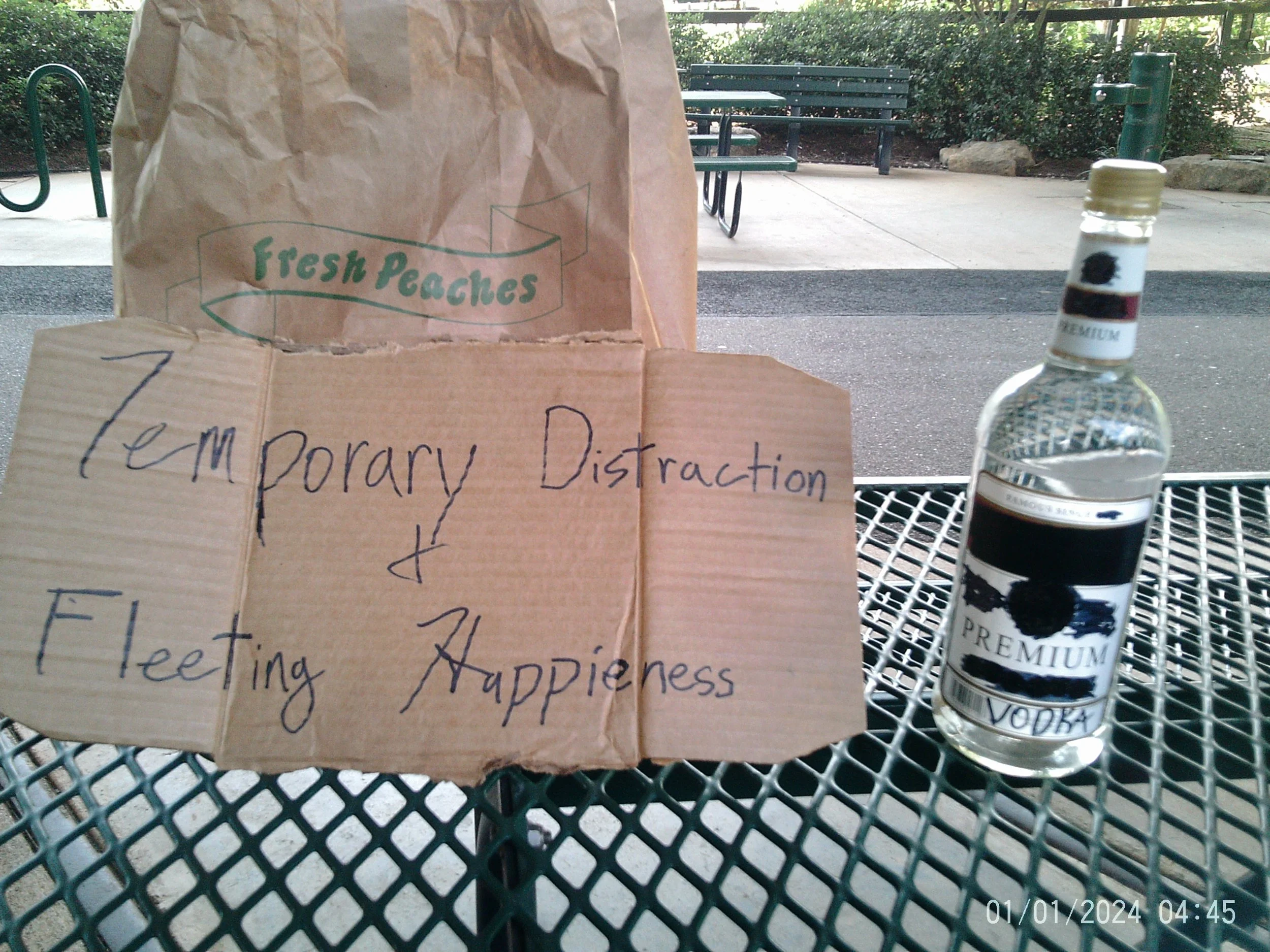
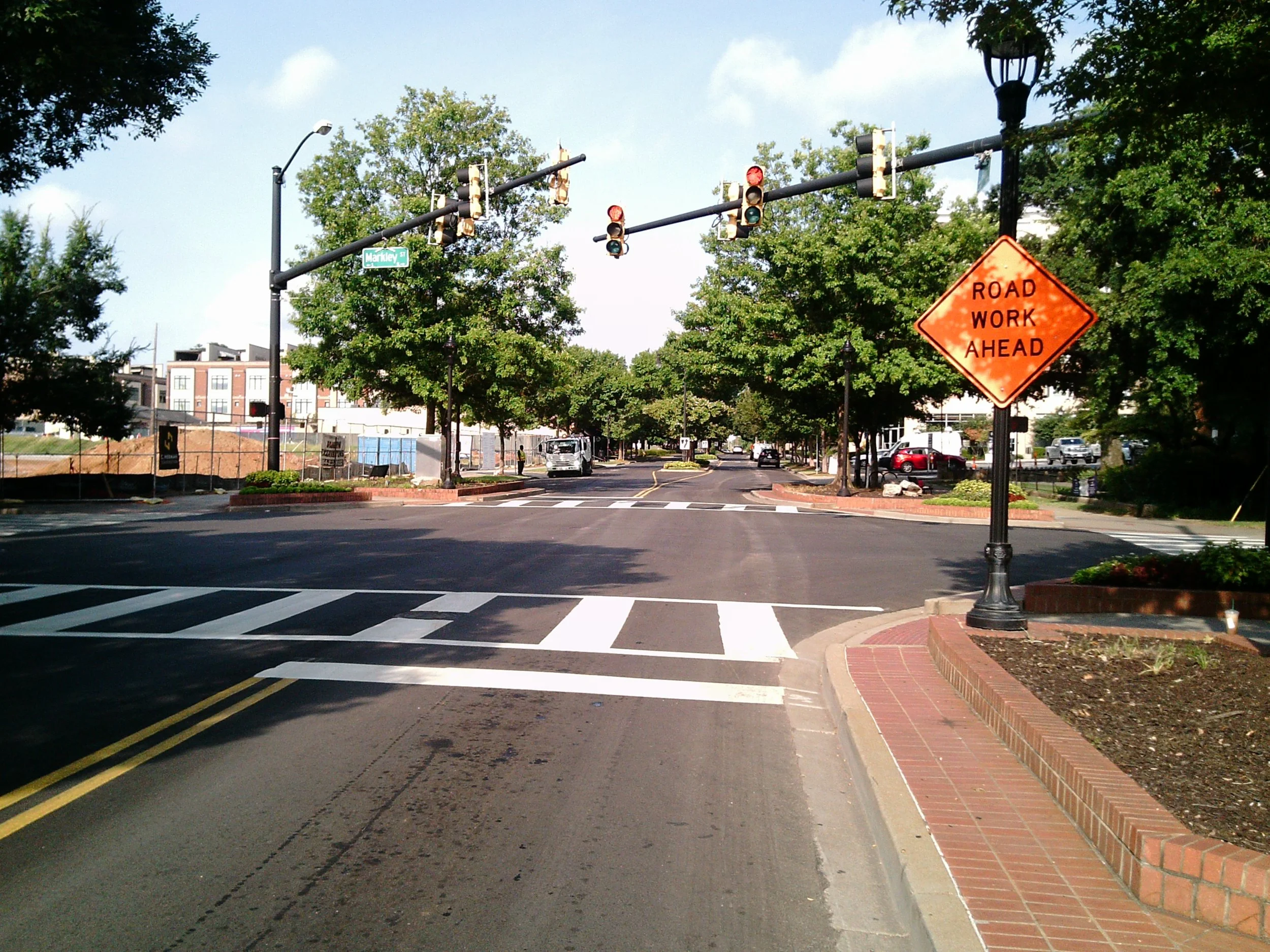
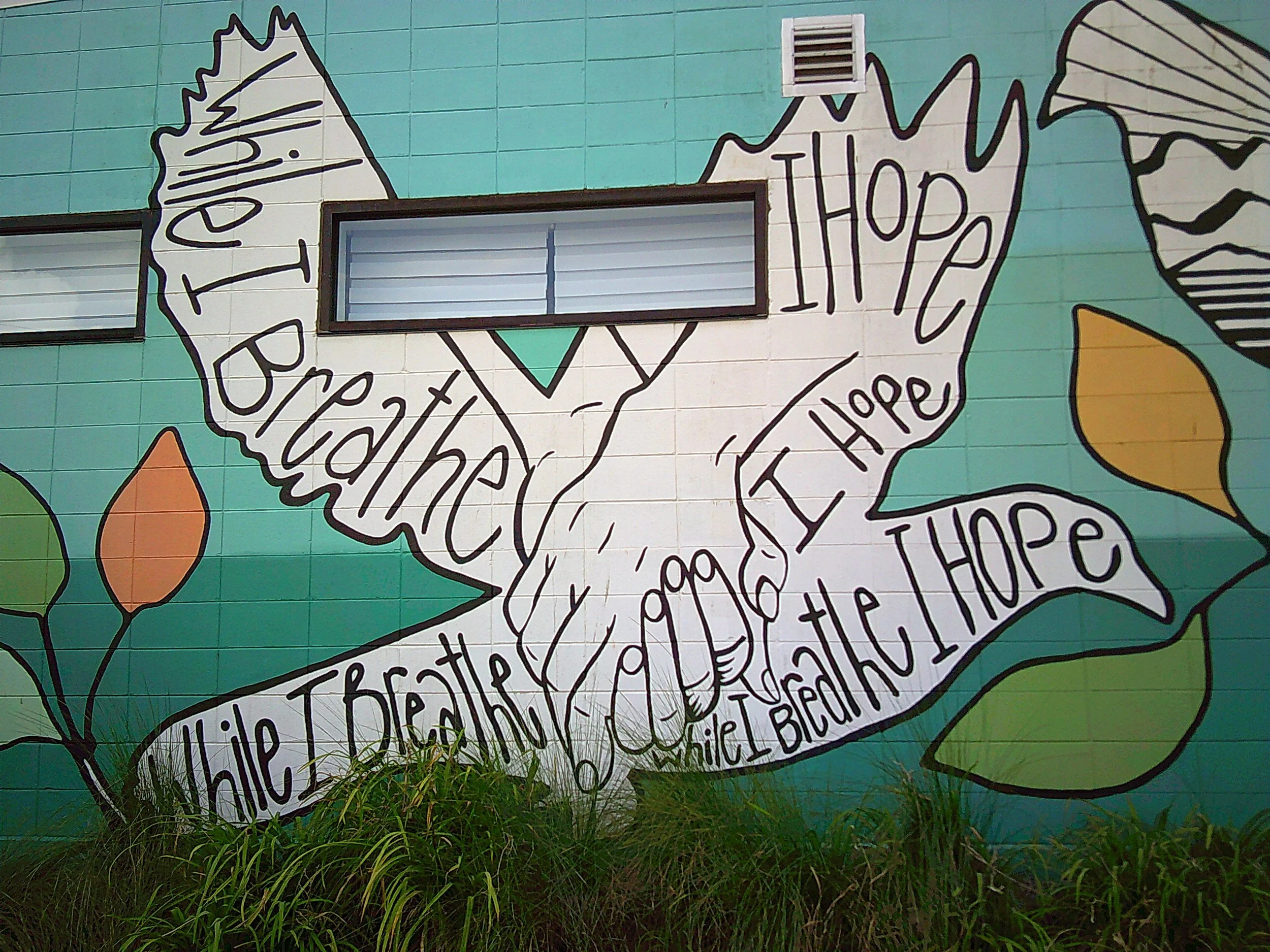
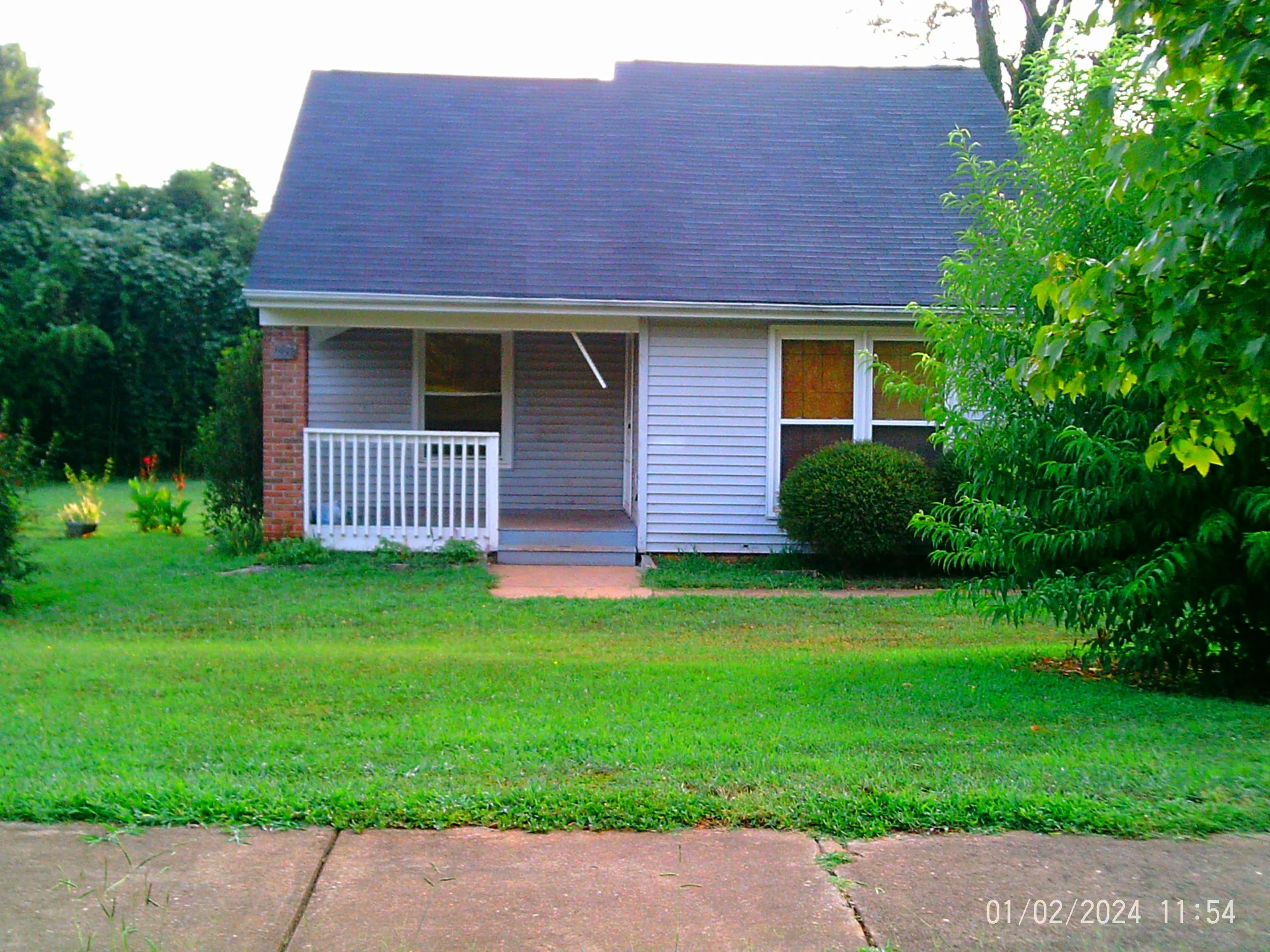
These are the questions at the heart of In Plain Sight — a collaborative research and art project born from a partnership between United Ministries and Furman University. In the summer of 2025, eight participants from United Ministries’ Place of Hope Day Shelter were given cameras, photography training, and a simple but profound invitation:
tell us your story.
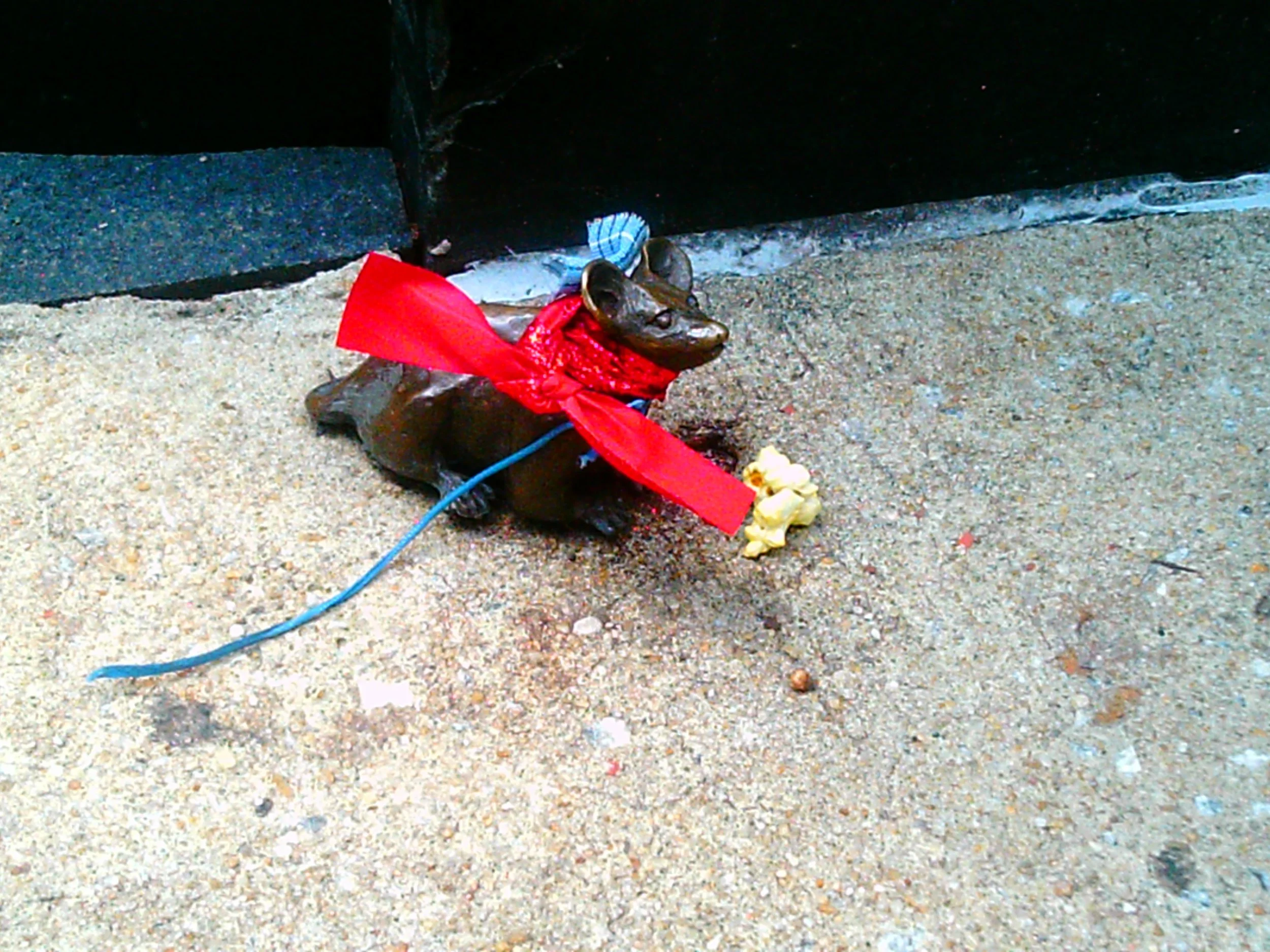
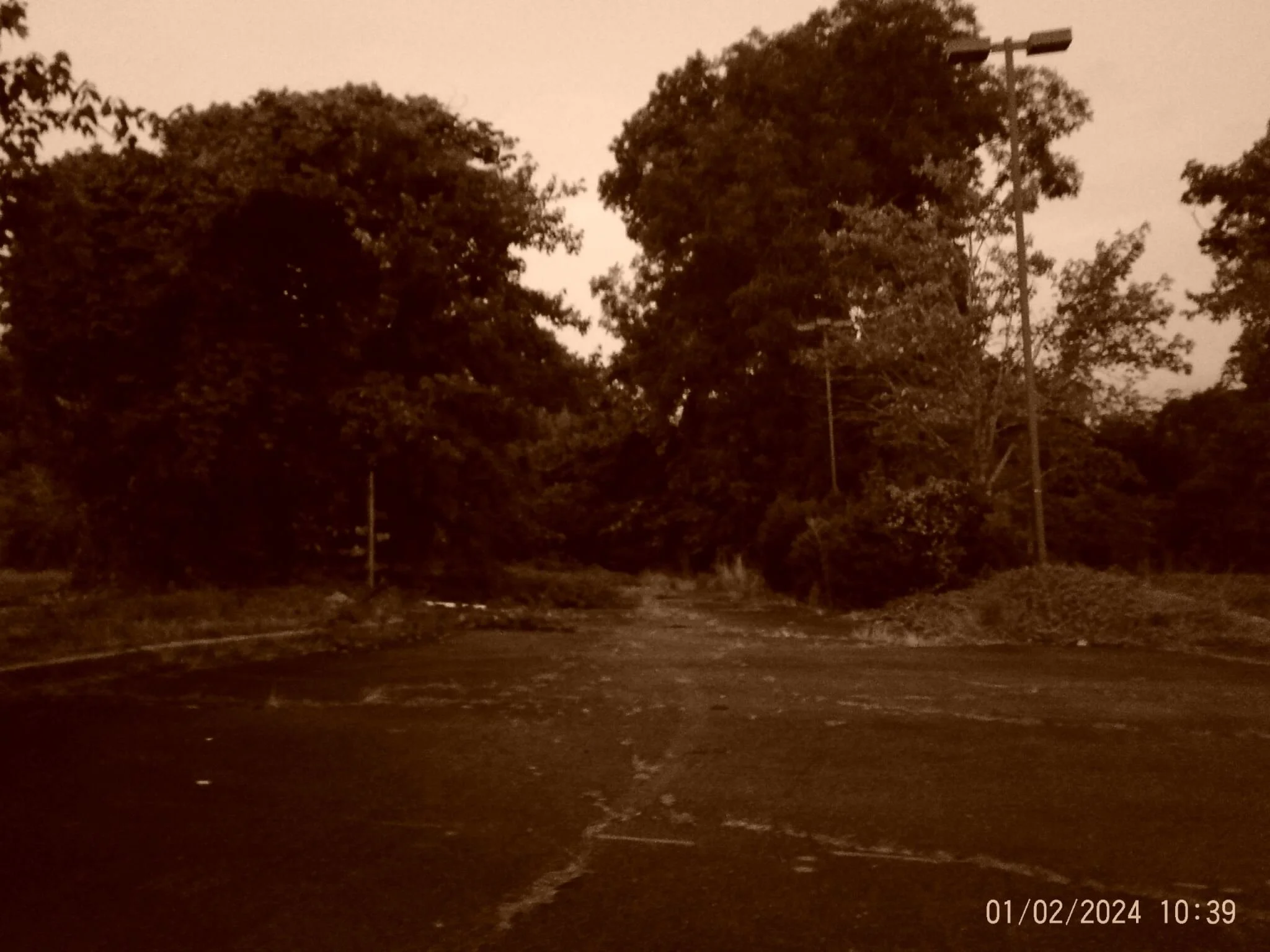
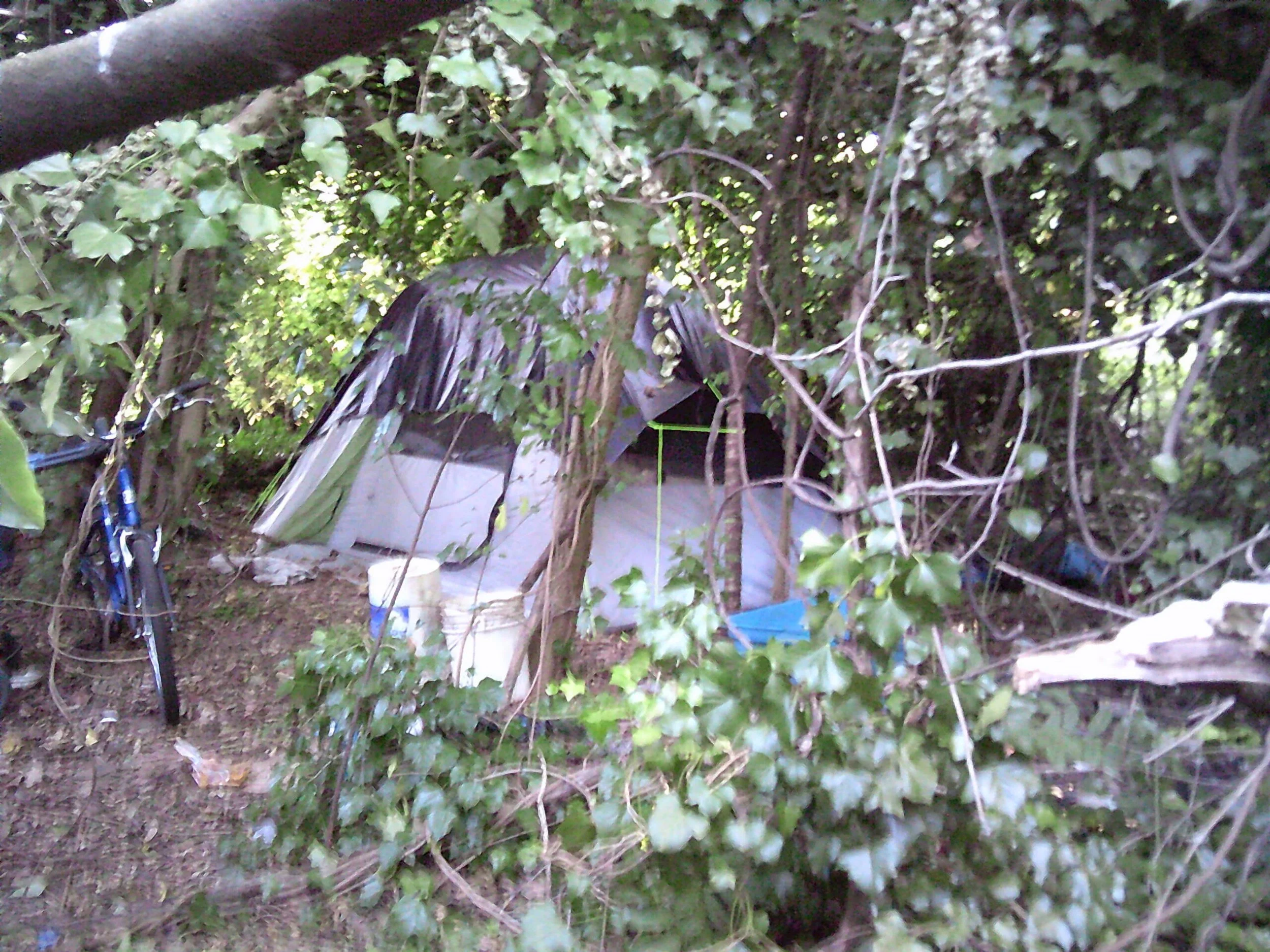
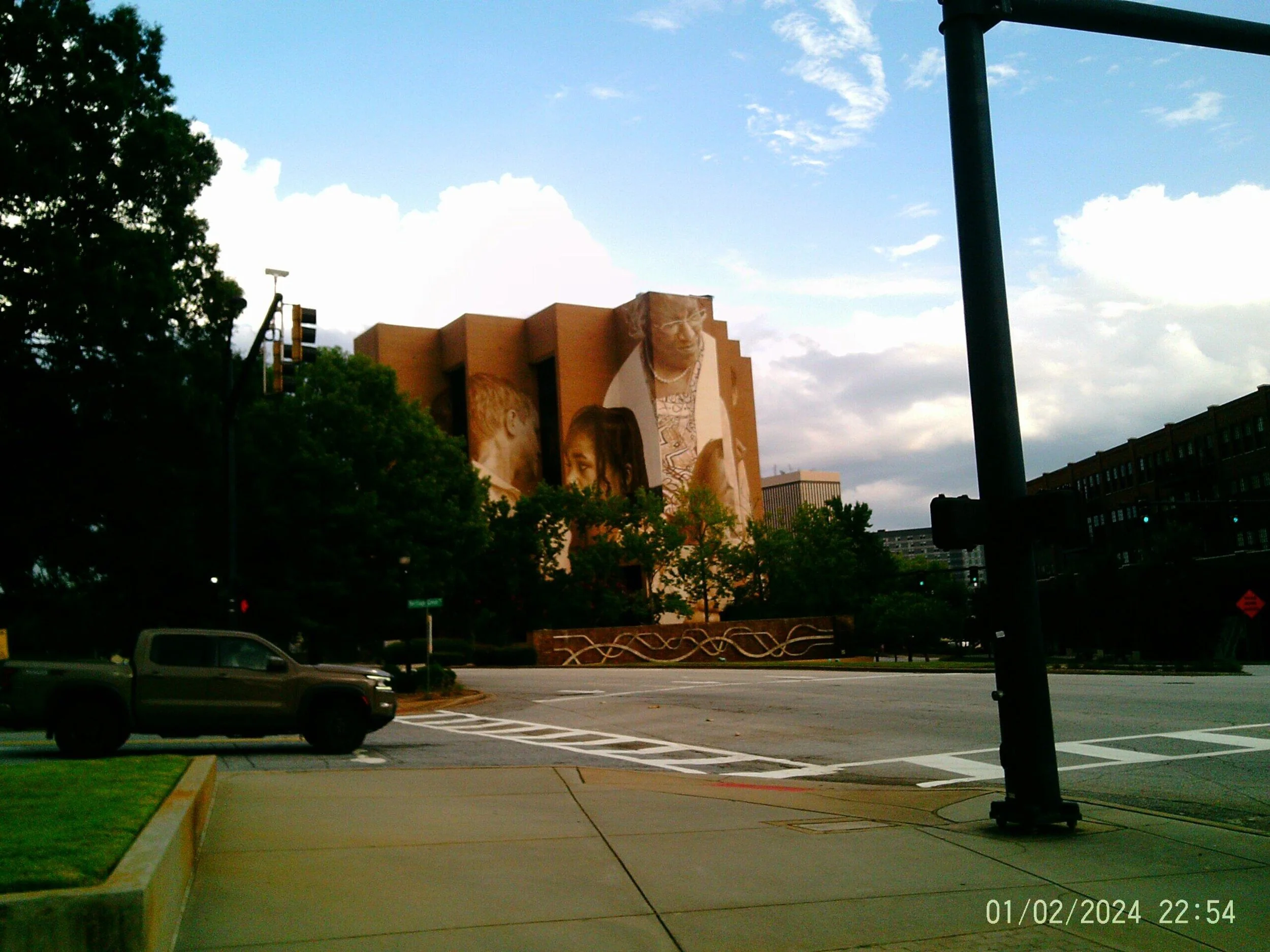
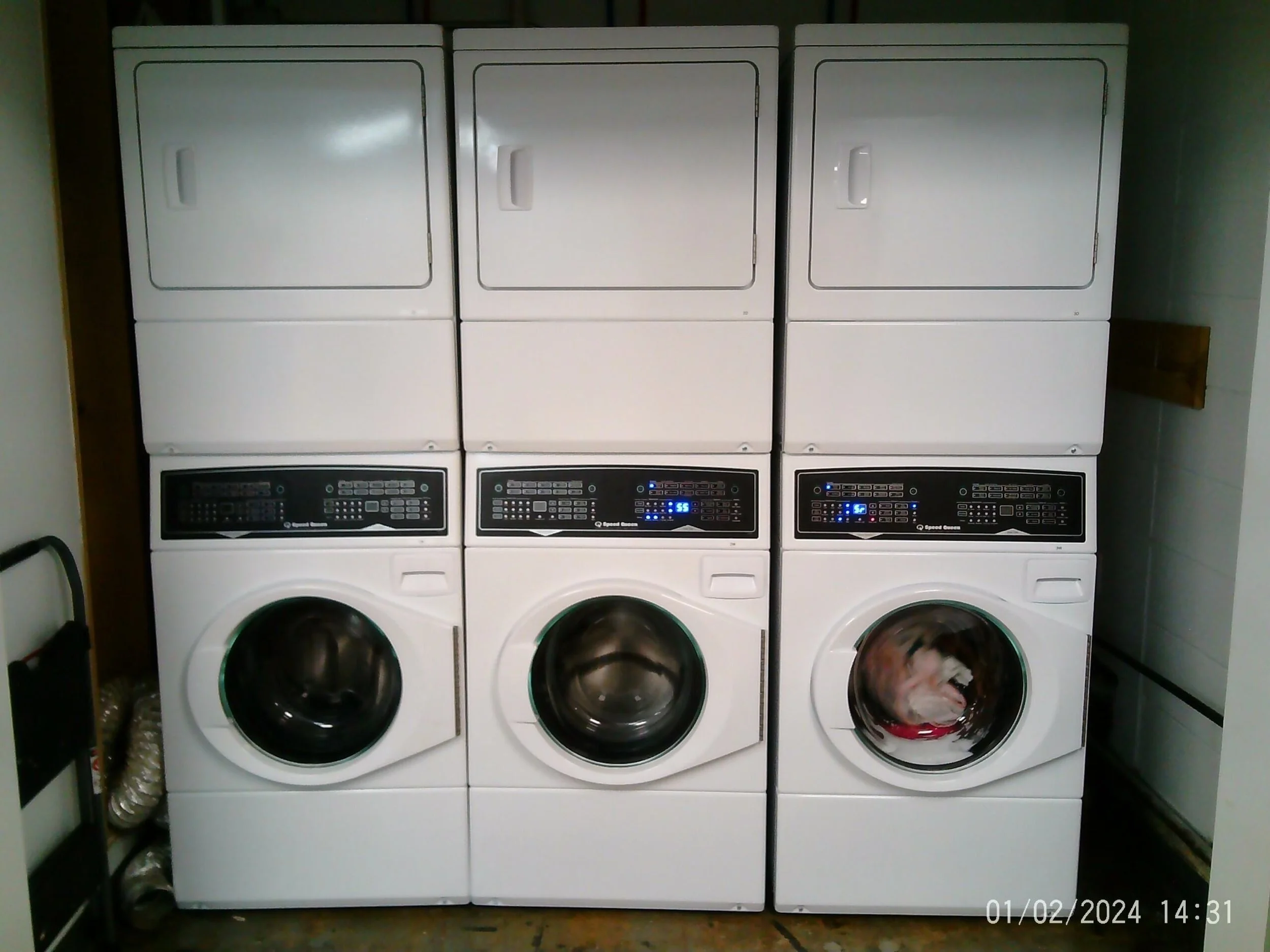
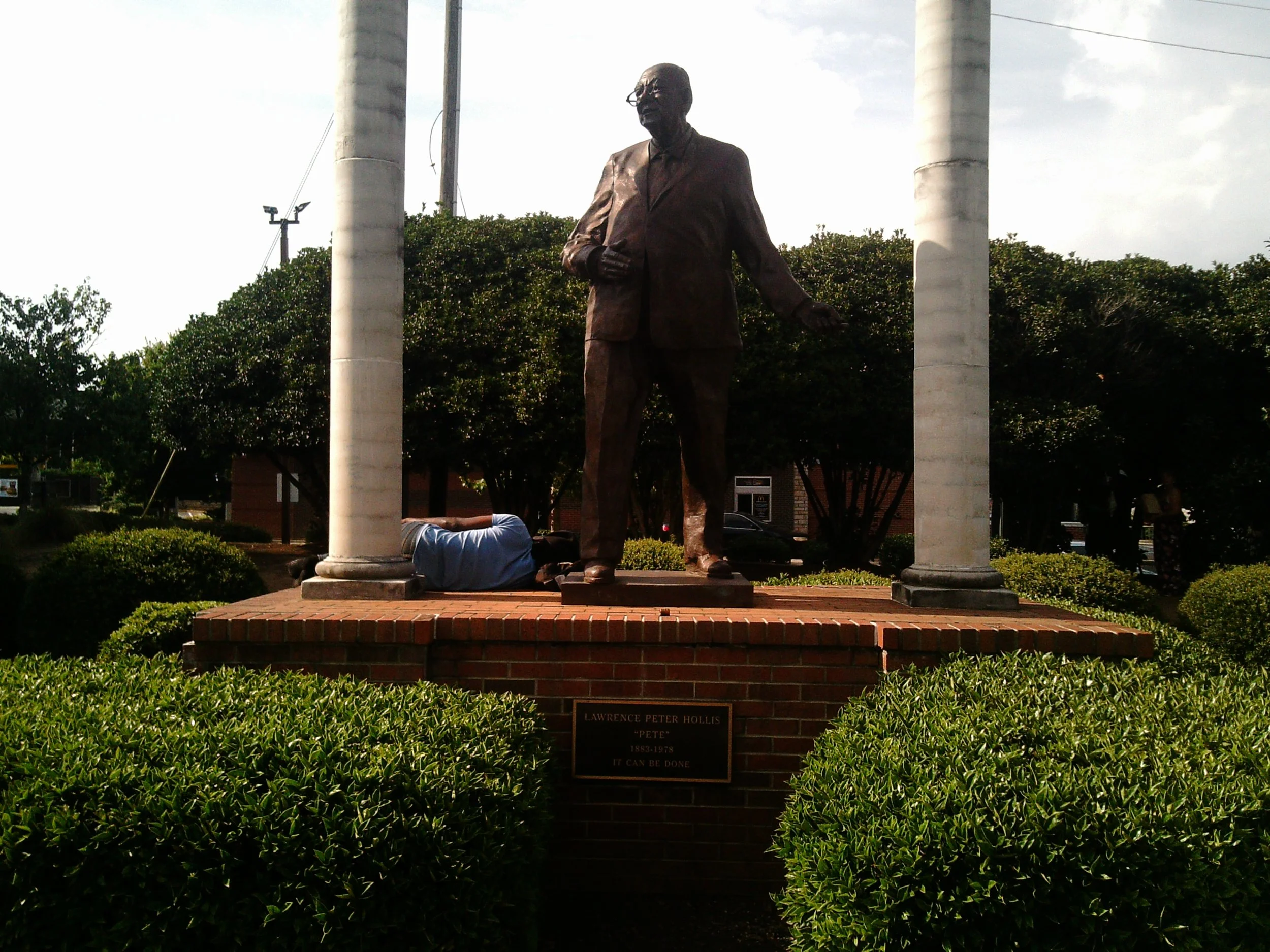
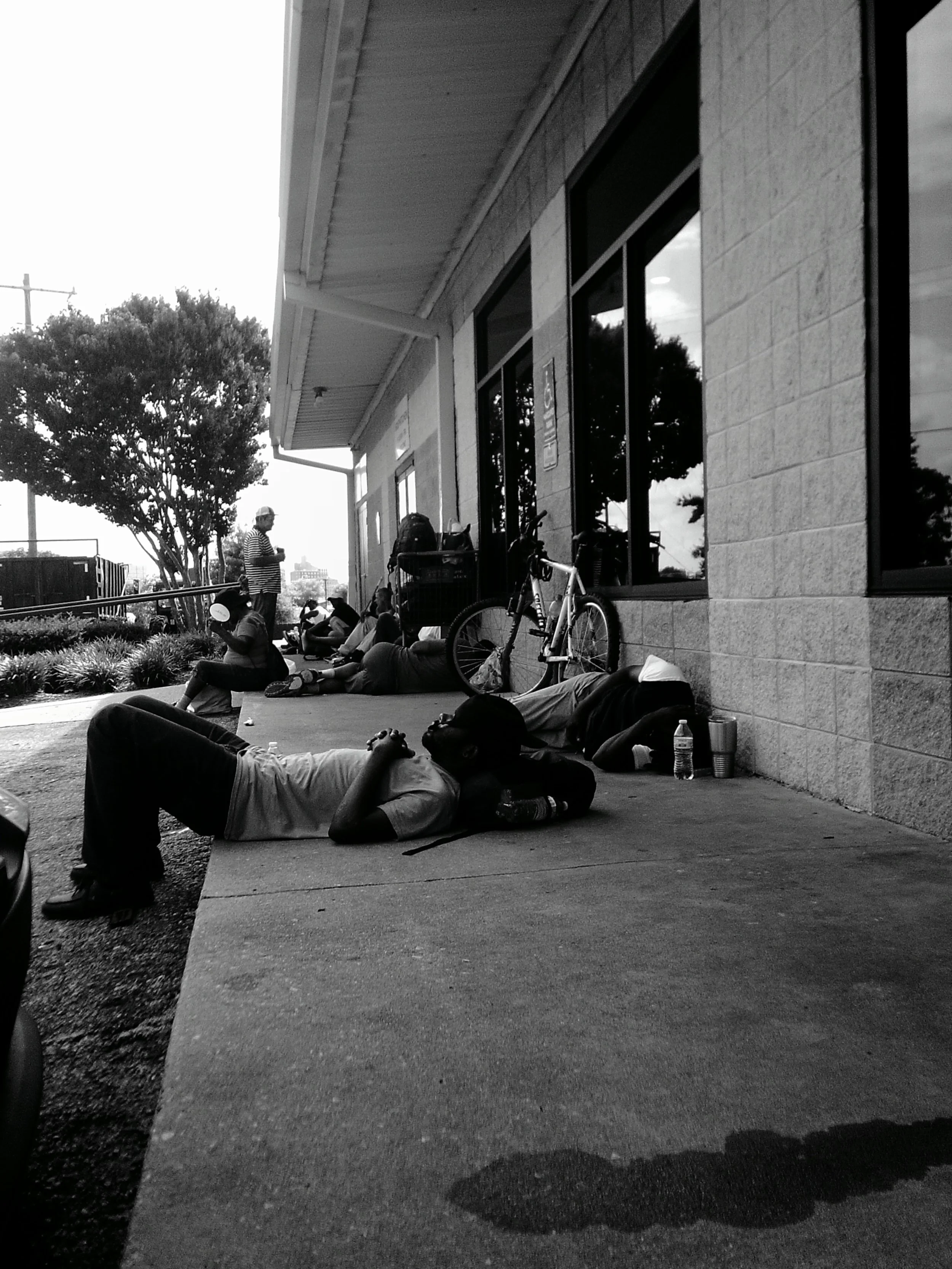
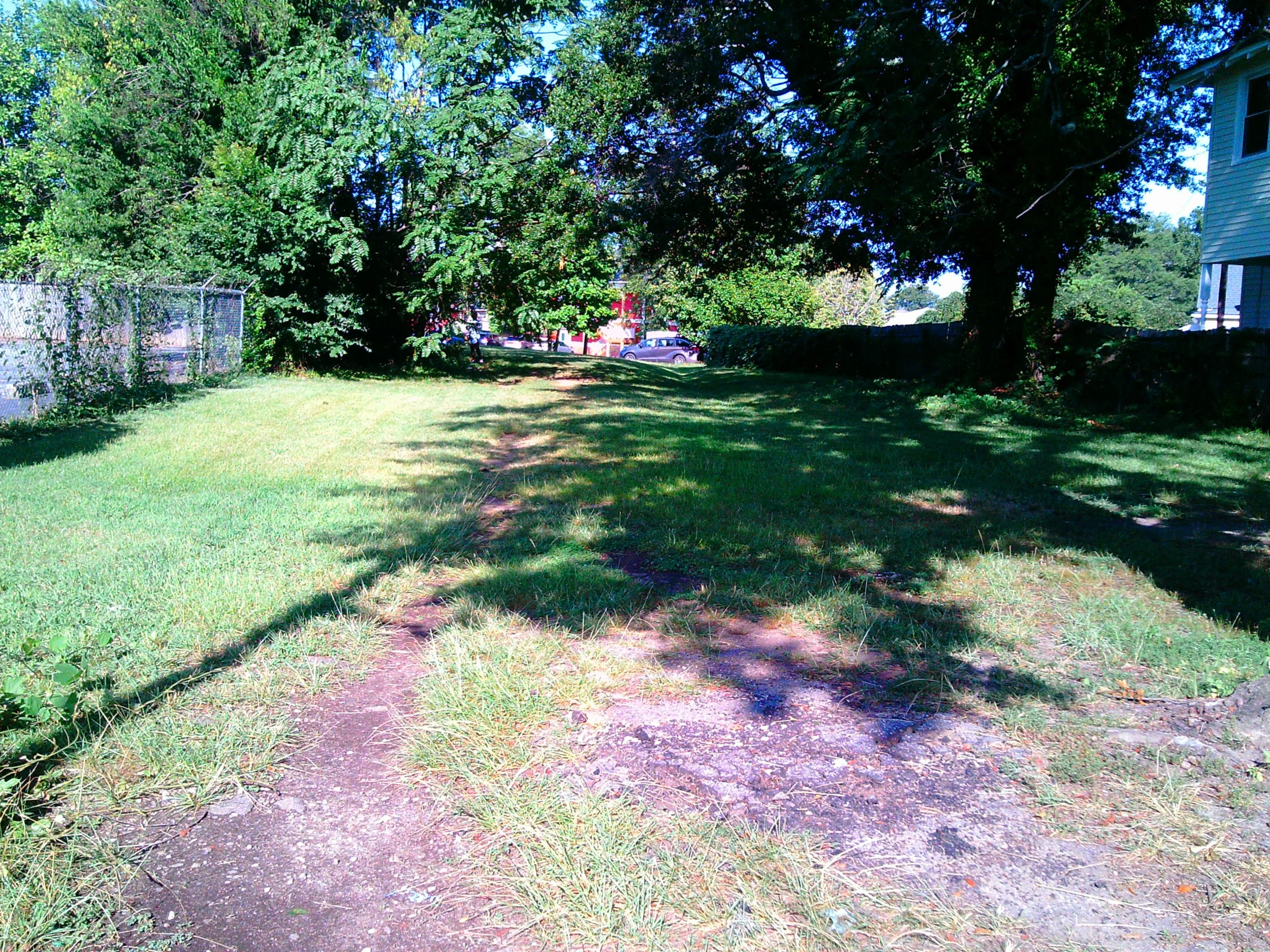
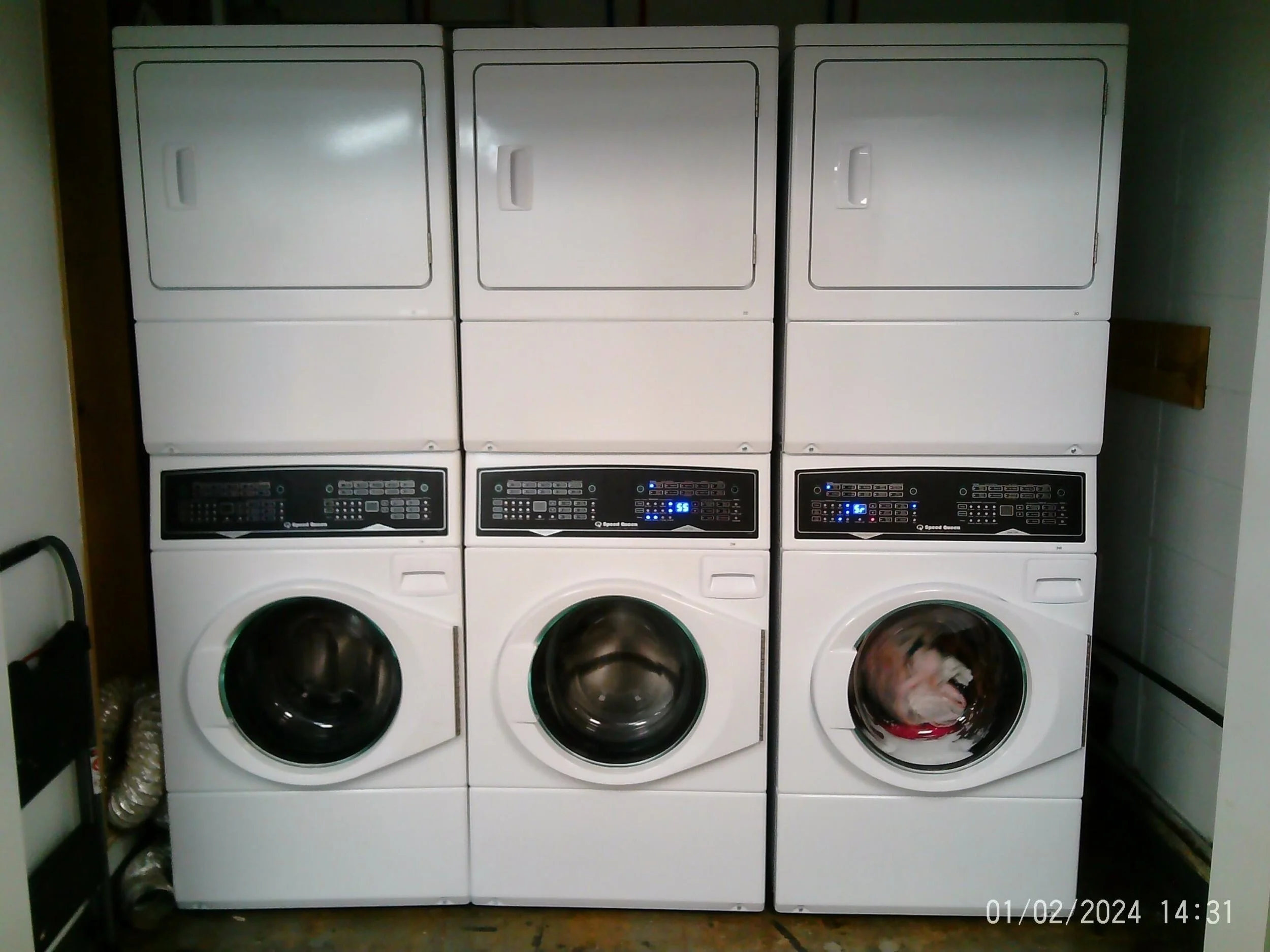
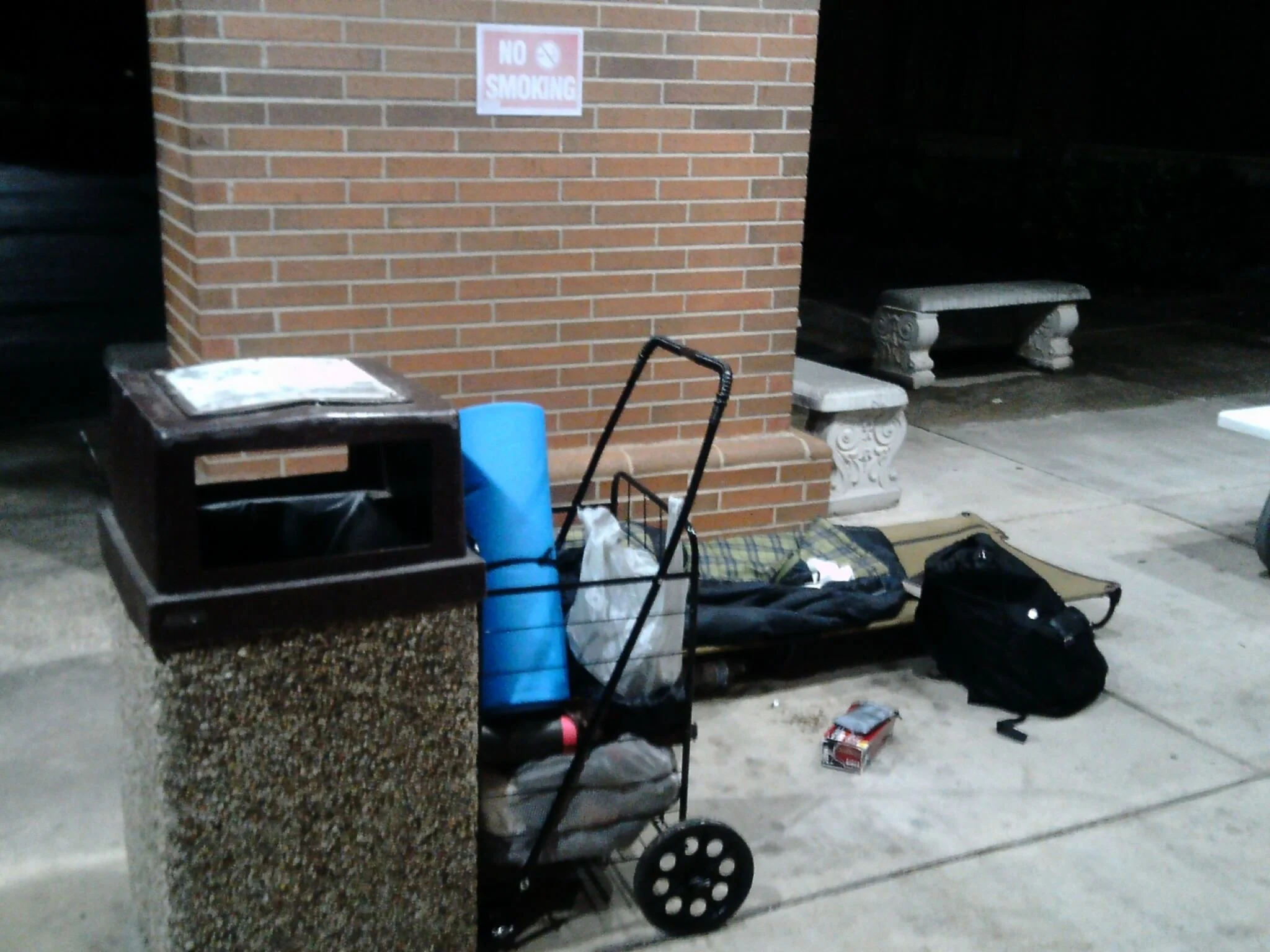
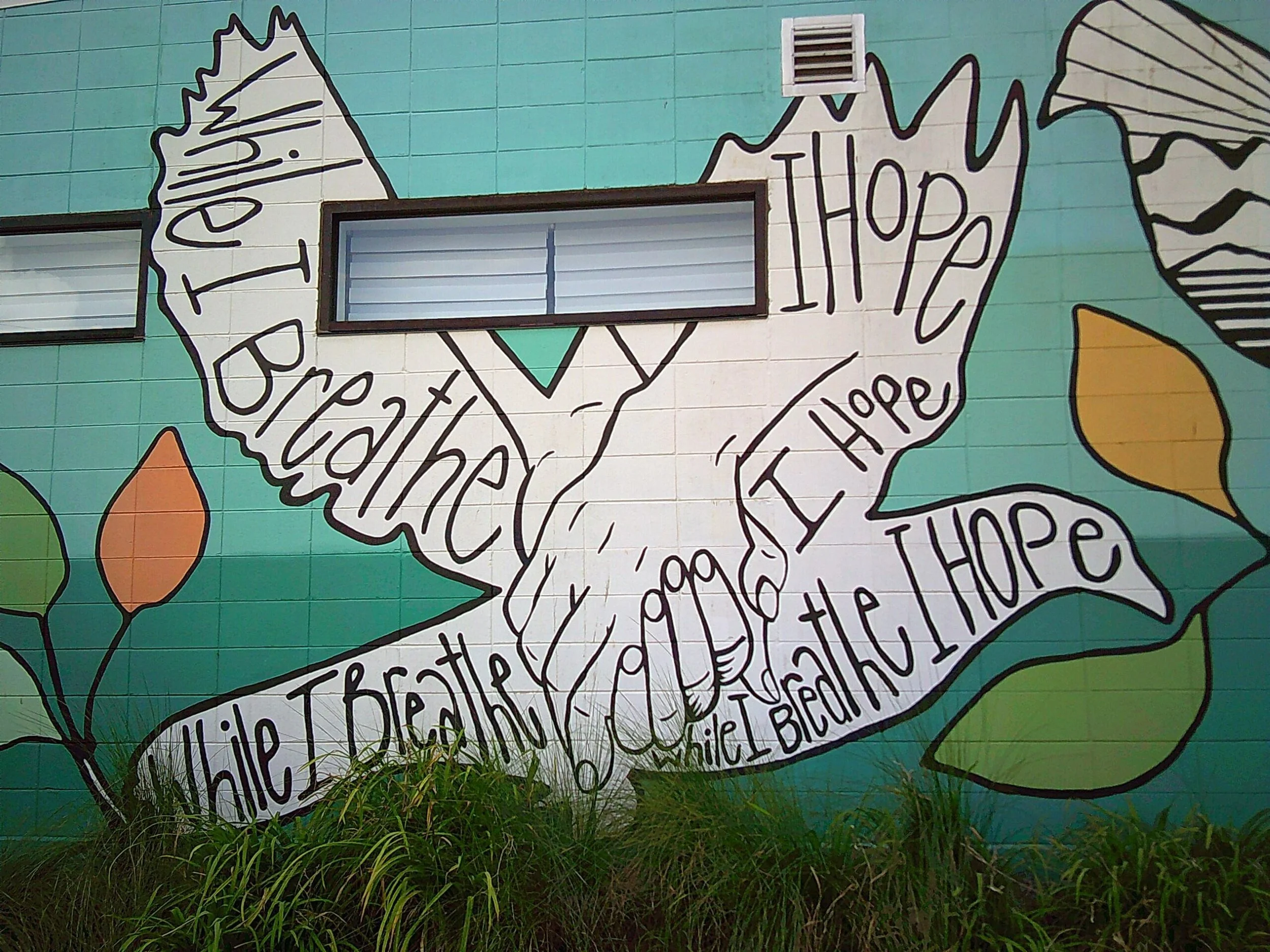
Over three days, they did exactly that. Their images and the narratives behind them capture the realities of homelessness in Greenville with honesty, complexity, and beauty that statistics alone never could.
We invite you to sit with these images, listen to the voices behind them, and let them change how you see your neighbors and your community.


ABOUT THE PROJECT
WHAT IS IN PLAIN SIGHT?
In Plain Sight is a poignant collection of images and stories captured by unhoused Greenville residents, highlighting their strengths, challenges, and lived experiences. The project was part of a photovoice method research project in collaboration with United Ministries and students and faculty at Furman University.
This project was designed to elevate the voices of individuals experiencing homelessness through a structured process of storytelling, reflection, and visual documentation. During this applied research partnership, participants were invited to use photography to document aspects of their daily lives using guided prompts and disposable cameras. They then engaged in one-on-one conversations with project facilitators to share the context, meaning, and significance behind each image.
These narratives were recorded in participants’ own words and collectively reflect themes of resilience, daily survival, connection, and lived experience within the context of homelessness.
What is PHOTO VOICE?
Photovoice is a qualitative, community-based research methodology that engages participants in documenting and interpreting their lived experiences through photography and narrative. Participants are provided with cameras and invited to capture images that reflect their daily realities, then share the context and meaning behind each image in their own words.
This approach positions participants as experts of their own experiences and centers their perspectives as essential data. By engaging individuals most directly impacted by complex social issues—such as homelessness—photovoice offers personal insight into social, economic, and health-related challenges.
Frequently Asked Questions
-
Yes, participants were provided a stipend and after the project was completed were given the digital cameras that they used to document the images throughout the project.
-
This project took place over one week. On three of those days, participants were invited to respond to specific prompts through photography:
Day 1: Strengths and challenges
Day 2: Community
Day 3: What I wish people understood
After the photos were taken, participants engaged in guided conversations with partners from Furman University, led by Anna Cass. During these conversations, participants shared the stories behind their images, helping to deepen understanding of their experiences and perspectives.
This process reflects the photovoice method, where images and personal narratives are explored together to better understand social, health, and community challenges (Furman University).
-
This research is used to better understand how everyday conditions—like housing, environment, and access to care—impact people’s health and well-being, a core focus of Public Health. Through photography and personal storytelling, participants share their lived experiences, helping to shed light on the real challenges and strengths within our community. These insights not only deepen understanding, but also help inform more effective, compassionate programs, policies, and community responses
-
If you feel stirred to action after experiencing this project and hearing the voices of neighbors in Greenville facing homelessness, you’re not alone.
There are meaningful ways to take the next step. Stay connected with United Ministries to learn about program updates, community impact, volunteer opportunities, and more. Our newsletters are shared monthly by email, with a printed version mailed quarterly.
United Ministries, Place of Hope day shelter, provides individuals experiencing homelessness with essential services and compassionate ongoing support—offering a safe, welcoming space where each person is treated with dignity and respect.
You’re invited to be part of this work. Join a community of volunteers and donors who help sustain and strengthen these efforts.
For over 55 years, United Ministries has brought the community together to serve and equip neighbors experiencing poverty, so that all may have the opportunity to thrive.
To get involved:
Volunteer: volunteers@united-ministries.org
Donate:https://united-ministries.org/how-you-can-help/donate/
.
-
Community support is vital to our work. If you want to help us ensure that all families have the opportunity to participate in Greenville’s prosperity, we invite you to invest in our work by giving or consider becoming a volunteer. For more information visit www.united-ministries.org or contact us at 864-232-6463 or info@united-ministries.org.